
Programs for Every Stage of Childhood
State licensed and family operated — we offer age-appropriate programs with careful teacher-to-child ratios so every child feels supported, nurtured, and ready to grow.
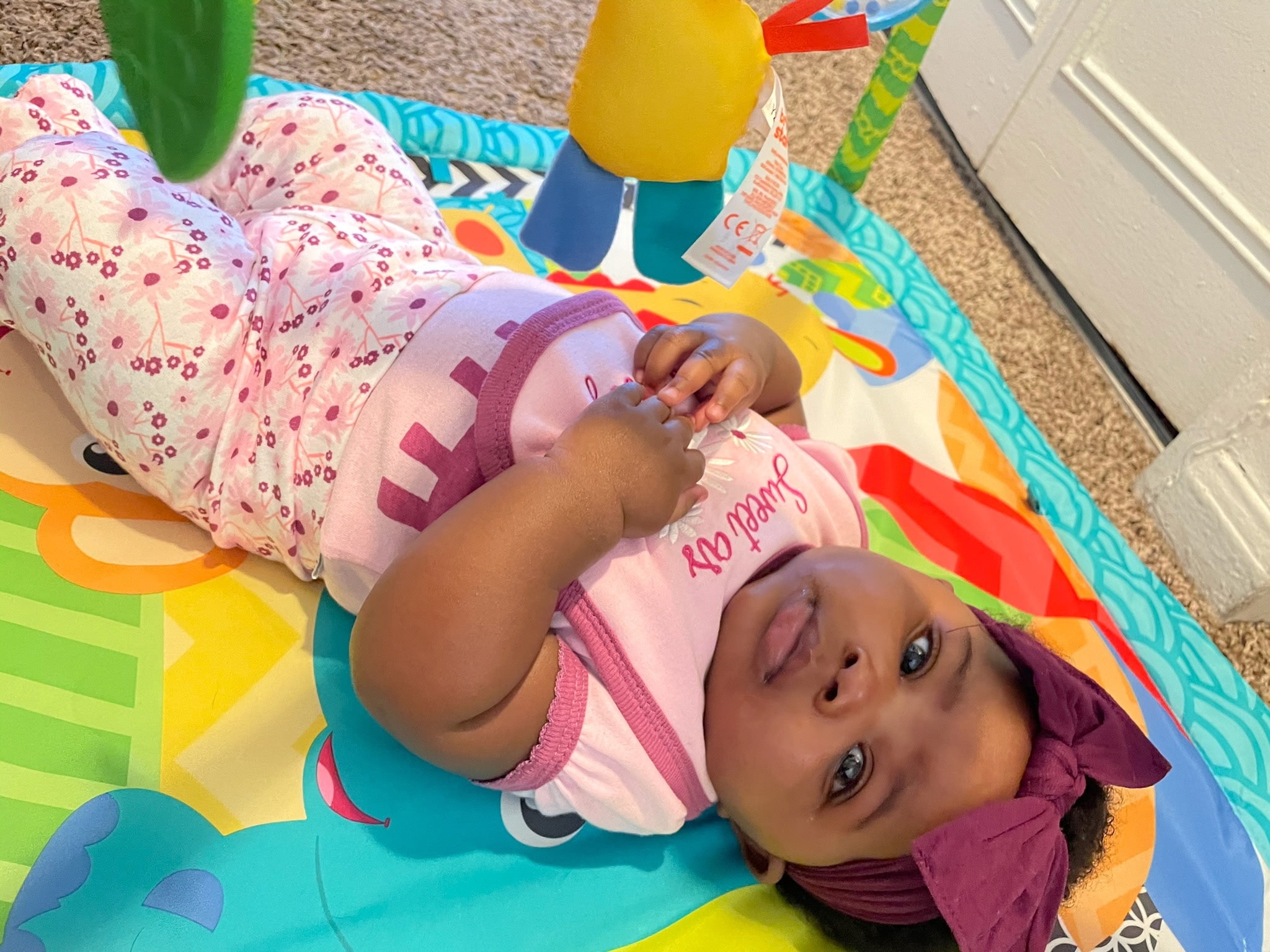
Infant Care
Safe, loving care from day one.
Our infant room is a calm, nurturing sanctuary where your baby's earliest experiences are filled with warmth and responsive care. Our caregivers follow each baby's individual schedule for feeding, sleeping, and play — because no two babies are alike. As a state-licensed center, every caregiver is certified and background-checked.
Program Highlights
- Careful caregiver-to-infant ratio for attentive, responsive care
- Individual feeding and sleep schedules
- Daily developmental activities
- Daily written reports for parents
Sample Daily Schedule
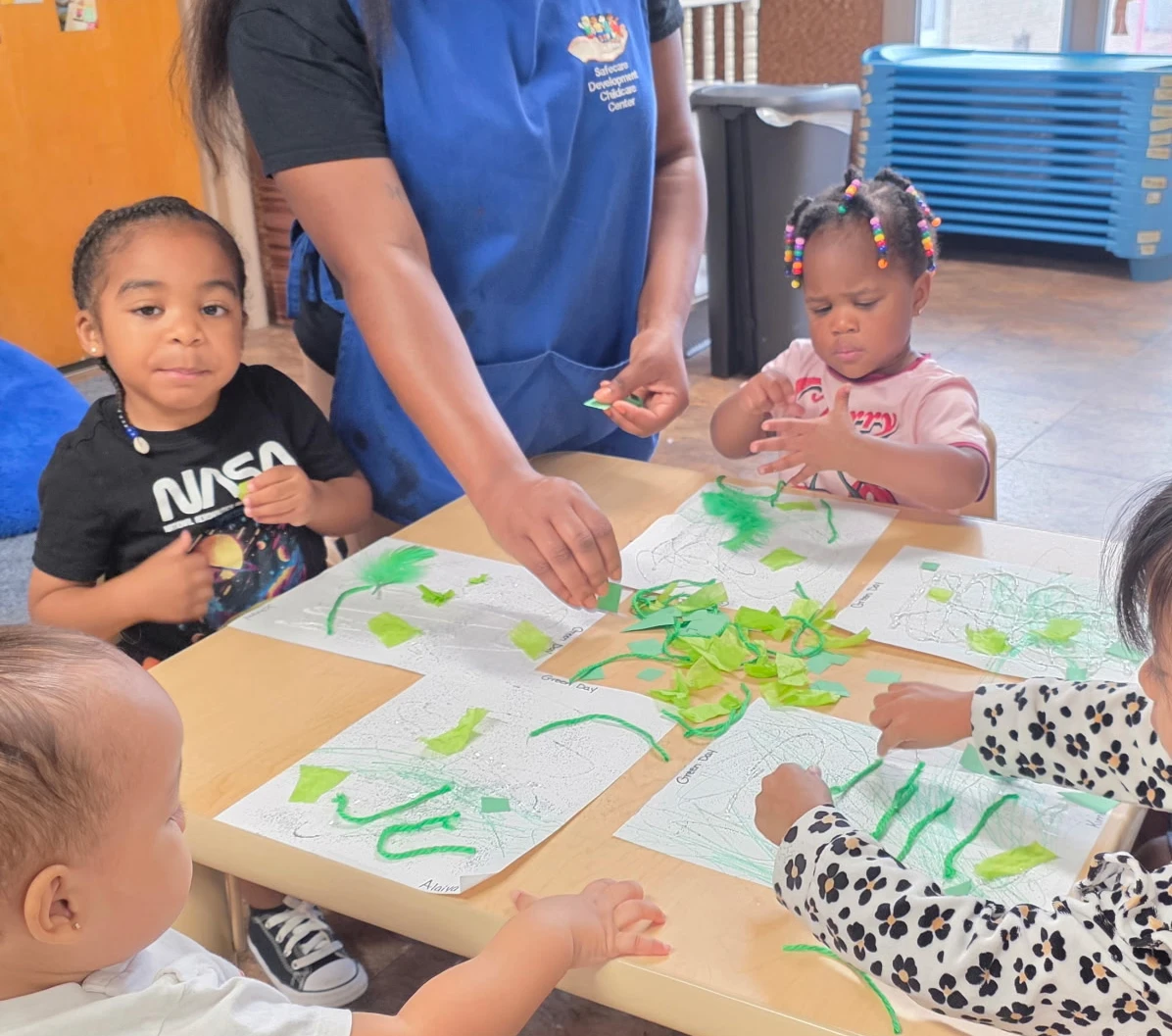
Toddler Program
Curious explorers, big discoveries.
Toddlers are natural explorers — and our program is built for their boundless energy and curiosity. Through hands-on play, music, movement, and simple art projects, toddlers build language, motor skills, and the social confidence they'll carry for life. Our carefully maintained ratios mean every toddler gets the guidance they need.
Program Highlights
- Language-rich environment with songs & stories
- Sensory play and fine motor activities
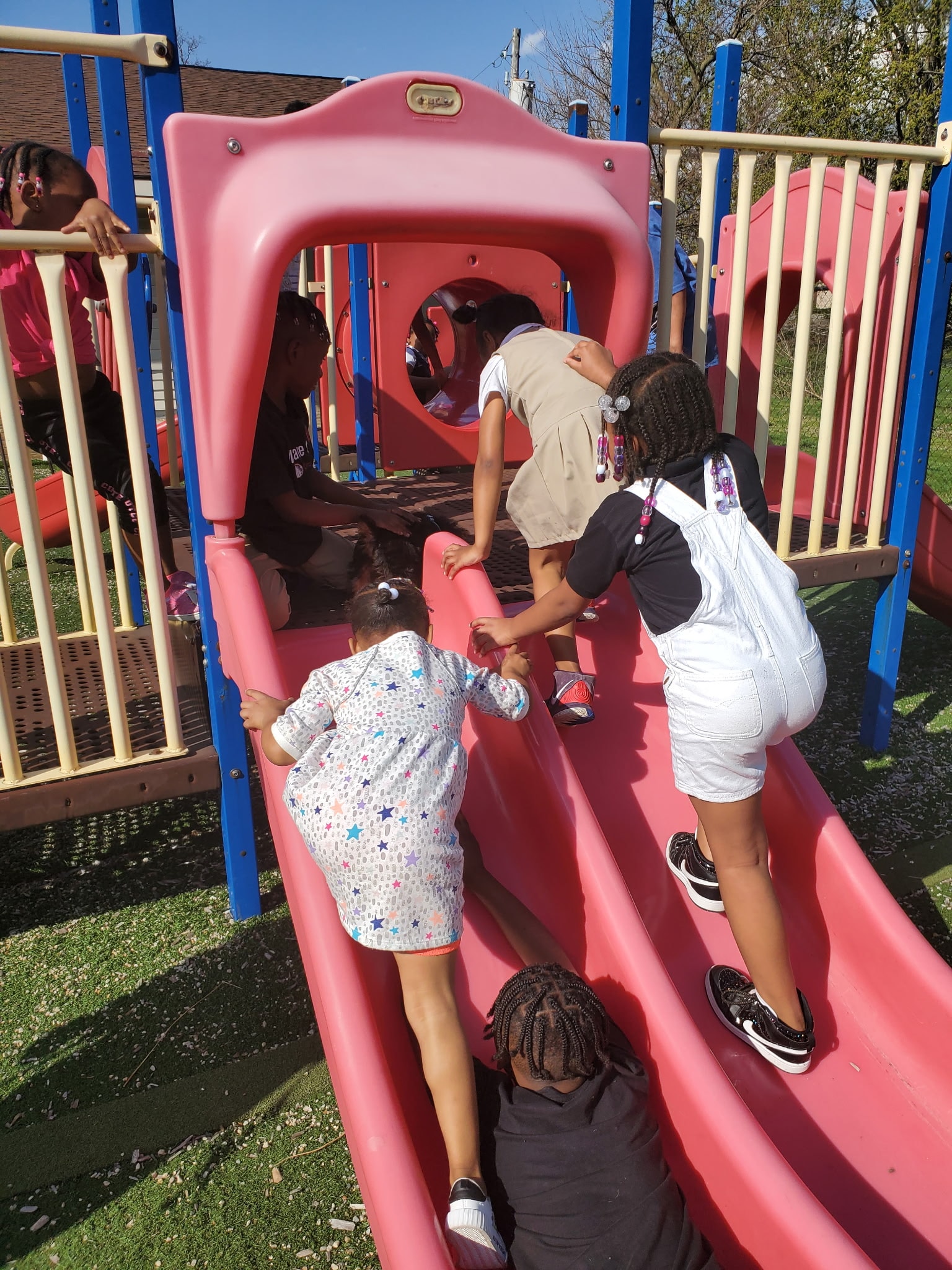
- Outdoor play in our 4 dedicated play areas
- Gentle introduction to group routines
Sample Daily Schedule
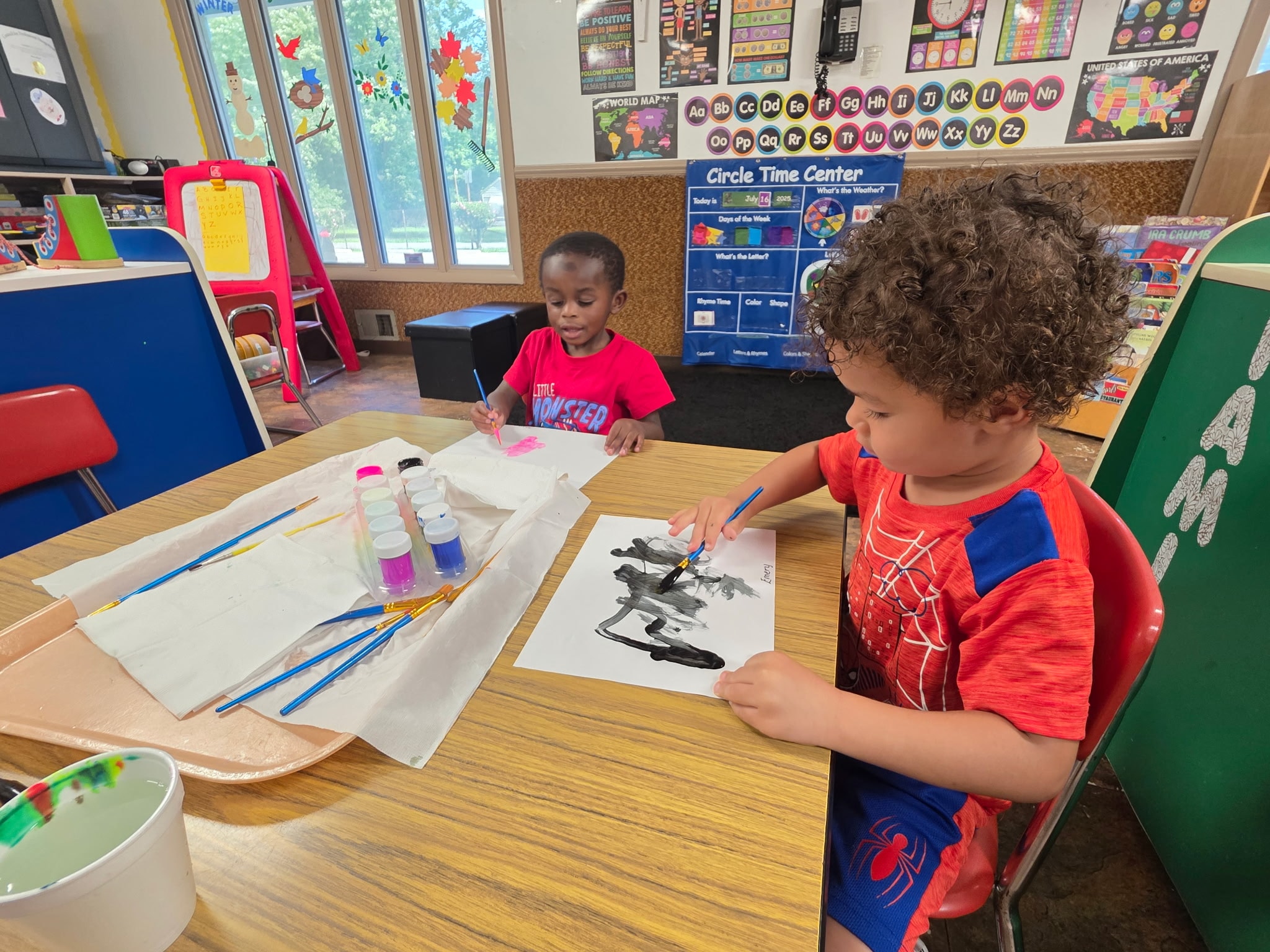
Preschool
Where a love of learning begins.
Our play-based preschool curriculum is designed to spark creativity, build early literacy and math skills, and develop the social-emotional foundations children need for kindergarten and beyond. With a low teacher-to-child ratio, every child gets the individual attention that makes the difference.
Program Highlights
- Play-based curriculum aligned with kindergarten readiness
- Early literacy, phonics, and number concepts
- Art, science, and dramatic play centers
- Music room and library access built into the week
Sample Daily Schedule
Pre-K
Ready, set, kindergarten.
Our Pre-K program is designed for children who are ready to take the next big step. With a structured yet joyful curriculum focused on kindergarten readiness, children build confidence in reading, writing, numbers, and classroom routines — so their first day of kindergarten feels like a homecoming, not a surprise.
Program Highlights
- Kindergarten-readiness curriculum with structured learning blocks
- Early writing, phonics, and number sense
- Social-emotional skills and classroom independence
- Science exploration and project-based learning
Sample Daily Schedule
School-Age Care
Before & after school, fully supported.
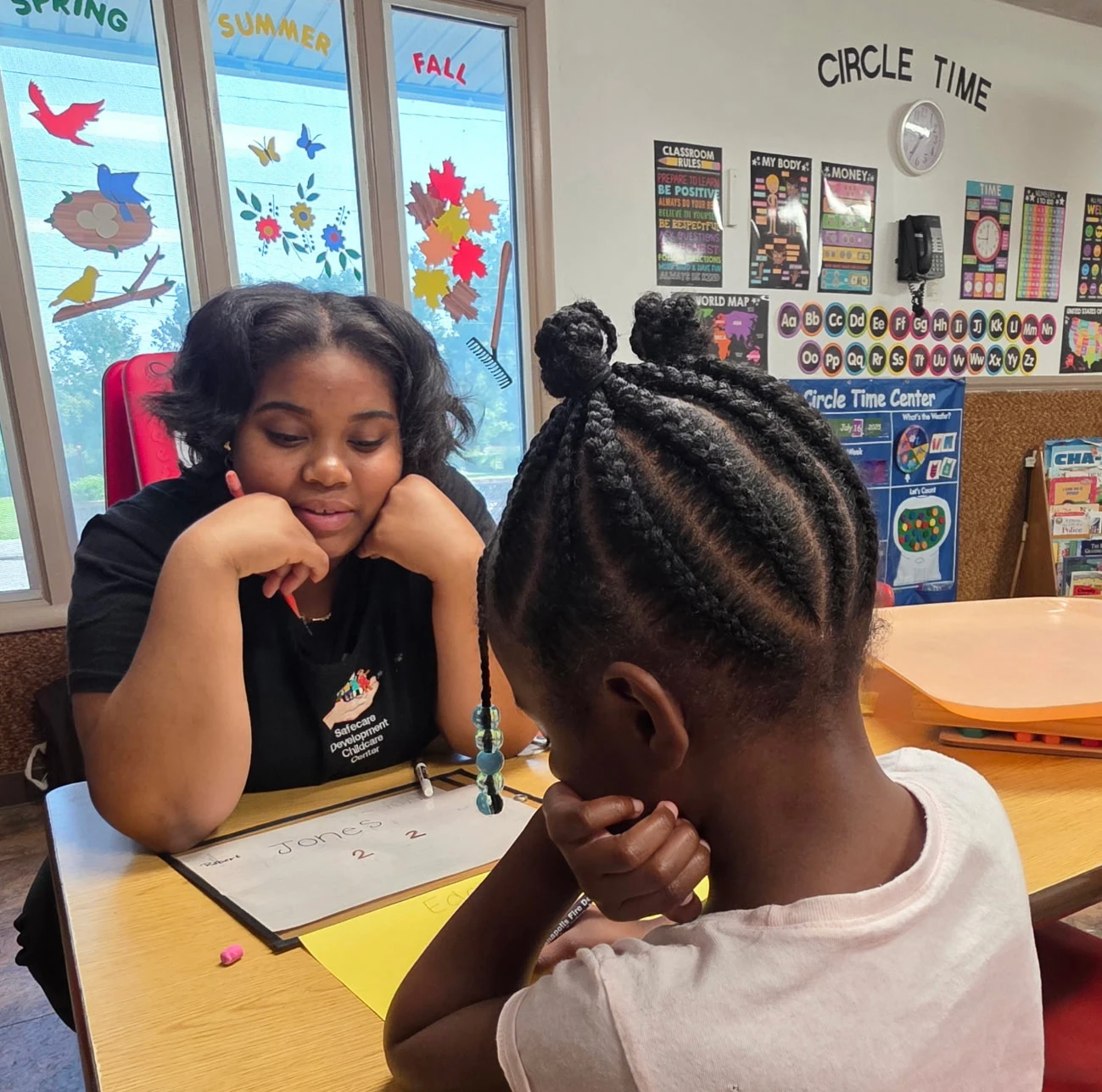
Our school-age program gives kids a safe, engaging place to land before and after school. With homework help, enrichment activities, gym time, outdoor recreation across our 4 play areas, and access to our library and music room, children stay active, supported, and excited about learning.
Program Highlights
- Homework help and quiet study time
- STEM projects and enrichment clubs
- Gym, outdoor play areas, library & music room access
- Full-day care available on school holidays
Sample Daily Schedule
Summer Camp
We offer a fun summer filled with exciting activities. We offer a summer curriculum that children will enjoy during the summer that includes water play, in-house guests, and visits from the library to keep them reading. Children can relax during the summer and enjoy learning through play programs.
- Water play and outdoor summer activities
- In-house guest visitors and special events
- Library visits to keep kids reading all summer
- Learning through play — fun, relaxed curriculum
All Programs at a Glance
Potty Training Policy
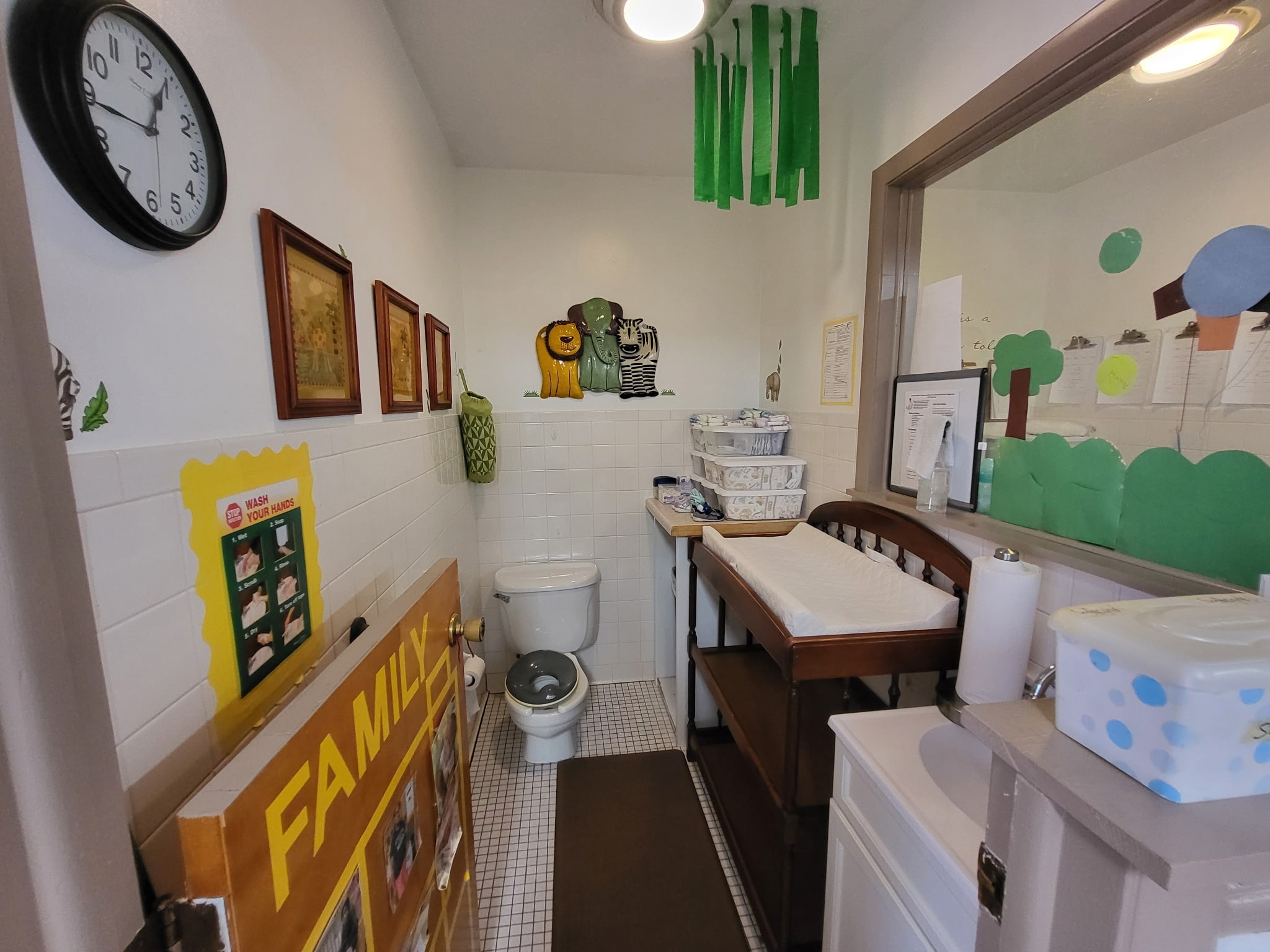
At Safecare Development, we partner closely with families to make potty training a positive, stress-free milestone. Our trained staff follow a consistent, child-led approach that respects each child's individual pace.
Signs of Readiness
We look for these key indicators before beginning the potty training process with your child:
- Stays dry for at least 2 hours at a time
- Shows interest in the toilet or watching others use it
- Can pull pants up and down independently
- Communicates the need to go (words, signs, or gestures)
- Dislikes the feeling of a wet or soiled diaper
- Can follow simple two-step instructions
Family Communication
A successful potty training experience depends on consistency between home and school. Here's how we keep families in the loop:
- Daily log sheets tracking bathroom attempts and successes
- Parent–teacher check-ins to align on timing and techniques
- Immediate notification if a child shows signs of regression or distress
- Families provide extra clothing changes kept in the child's cubby
- We follow the same language and cues used at home when possible
Our Step-by-Step Approach
- 1
Family Readiness Meeting
We meet with parents to confirm readiness signs and agree on a start date, language, and routine.
- 2
Introduce the Routine
Children are taken to the bathroom at consistent intervals — typically every 30–60 minutes — to build familiarity.
- 3
Positive Reinforcement
We celebrate every attempt with praise and encouragement. We never shame or pressure a child.
- 4
Track & Adjust
Staff log each attempt and success. If a child struggles, we slow the pace and communicate with the family.
- 5
Transition to Independence
As confidence grows, children are encouraged to initiate bathroom trips on their own with staff nearby for support.
Find the Right Program for Your Child
Schedule a tour and meet our team — we'd love to show you around.